

Lapworth Museum Birmingham: A Complete Guide to Birmingham’s Geological Treasure
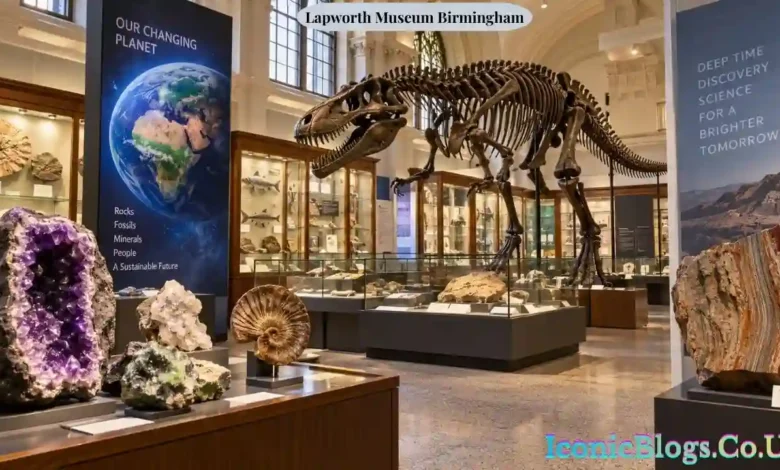
For anyone searching for an educational and distinctive museum in Birmingham, the Lapworth Museum Birmingham offers an excellent introduction to the history of Earth. Located on the University of Birmingham’s Edgbaston campus, the museum brings together rocks, fossils, minerals, geological maps, scientific equipment, and other objects that help explain how the planet has changed over billions of years. Entry is free, making it an appealing choice for families, students, tourists, and anyone interested in natural history.
The museum is part of the University of Birmingham and remains both a public attraction and an important academic resource. Its galleries combine scientific information with striking specimens, allowing visitors to explore topics ranging from ancient life and evolution to volcanoes, minerals, and geological processes. The University describes its collection as one of the UK’s outstanding geological collections, with more than 300,000 specimens cared for by its team.
What Is Lapworth Museum Birmingham?
The Lapworth Museum of Geology was founded in 1880 and is named after Charles Lapworth, who became the first Professor of Geology at Mason College, the institution that preceded the University of Birmingham. The museum is now housed in the Grade II listed Aston Webb Building, allowing its scientific displays to sit within an historic university setting.
As a specialist geological museum, the Lapworth is different from a conventional city museum. Rather than focusing mainly on art, social history, or local heritage, it tells the story of the natural world through physical evidence. Fossils reveal vanished ecosystems, minerals show the variety of materials produced by geological processes, and rocks provide clues about ancient environments and changes to the planet.
The museum also has a strong educational purpose. It supports university teaching and research while remaining accessible to the general public. This combination gives the galleries a useful balance: scientific subjects are taken seriously, but the displays are designed to encourage curiosity among visitors who may have little previous knowledge of geology.
Where Is Lapworth Museum Located?
The Lapworth Museum of Geology Birmingham is located within the University of Birmingham’s Aston Webb Building in Edgbaston, Birmingham, postcode B15 2TT. The museum sits just off the Ring Road South and is identified as building R4 on the university campus map.
Its university location makes the museum part of a larger campus experience. Visitors can combine a museum trip with a walk around the historic Edgbaston site, which includes notable architecture, open spaces, and other attractions. The University also highlights Winterbourne House and Garden as another destination available to members of the public on the campus.
The museum is particularly convenient for public transport. The University railway station is approximately a five-minute walk away, while bus and cycling routes also serve the area. This makes the attraction relatively easy to reach without a car.
Opening Times and Admission
One of the strongest advantages of Lapworth Museum Birmingham is that admission is free and advance booking is generally not required for ordinary visits. The current University information states that from September through March, the museum opens from 10:00 to 16:00 Monday to Friday and from 12:00 to 17:00 on Saturdays and Sundays. During April through August, weekday opening extends to 17:00, while weekend hours remain 12:00 to 17:00.
Opening times can change for holidays, special events, or operational reasons, so checking the official visitor information before travelling is sensible. The University currently lists special events and guided activities alongside regular museum opening information.
For people comparing free museums in Birmingham, the Lapworth is especially attractive because there is no standard admission charge while visitors can still experience a major specialist collection. It is also a useful option for anyone researching free museums Birmingham UK visitors can add to a day of sightseeing.
What Can Visitors See?
The displays cover a remarkably broad span of Earth history. The University describes the museum as a place where visitors can explore billions of years through exceptional objects, with subjects ranging from volcanoes and earthquakes to dinosaurs and minerals.
Fossils and Ancient Life
Fossils are among the museum’s most accessible attractions. They provide evidence of creatures, plants, and environments that existed long before humans. Visitors can encounter specimens connected to different geological periods and learn how fossils help researchers reconstruct ancient ecosystems.
The museum also features especially significant local material. One highlighted example is a remarkably preserved trilobite known as the “Dudley Bug” or “Dudley Locust,” dating to about 428 million years ago. Its history connects the specimen not only to ancient life but also to the development of geological teaching in the region.
Rocks, Minerals, and Crystals
Minerals and crystals add another visual dimension to the galleries. Their colours, structures, and forms demonstrate the variety of materials created by natural geological processes. For visitors who have never studied geology, such specimens provide an immediate and memorable way to begin understanding the subject.
The collections also include rocks that help explain how different parts of Earth have formed and changed over time. Together, the specimens show that geology is not simply the study of stones; it is a way of understanding the planet’s history.
Earthquakes, Volcanoes, and Geological Change
Another important theme is the dynamic nature of Earth. Displays help visitors understand geological processes such as volcanic activity and earthquakes, as well as the forces that create and reshape landscapes.
Rather than presenting these topics as isolated facts, the museum places them within a larger story about the development of the planet. This approach can make complex concepts easier to understand, especially for school-age visitors and families.
Why Is the Museum Important to Students and Researchers?
Although the Lapworth is open to everyone, its academic importance remains central to its identity. The museum supports international teaching and research and maintains a large collection that can be used for scientific study. The current museum team cares for more than 300,000 specimens.
For geology students, the museum provides an opportunity to encounter real specimens rather than relying entirely on textbooks or digital images. Historical equipment, maps, fossils, and minerals can also demonstrate how geological knowledge has developed over time.
The museum’s teaching role extends beyond university education. Its education team provides in-museum and virtual learning sessions, activities, and loan boxes for different age groups. Primary and school programmes are designed to offer interactive learning experiences, and the relevant workshops and resources are free when booked in advance.
Is Lapworth Museum Suitable for Families?
The museum can work particularly well for families because many of its subjects are naturally engaging. Dinosaurs, fossils, colourful minerals, and ancient creatures provide immediate points of interest for younger visitors, while the broader displays introduce concepts connected with science, evolution, and the natural environment.
Its educational character does not prevent it from being enjoyable. Instead, visitors can move between visual specimens and explanations at their own pace. Families can also combine the visit with a walk around the University of Birmingham campus.
Accessibility is another practical strength. The museum is fully accessible for wheelchair users and prams, with an elevator providing access to the mezzanine level. A standard wheelchair and folding stick seats are available at reception on request, and the site has accessible toilet facilities and baby-changing provision.
Events and Special Activities
The museum is not limited to a conventional gallery visit. It regularly hosts tours, educational events, talks, and other activities. The University currently lists a free guided museum tour on the first Monday of each month, with booking required for the tour. Other programmed activities can include geology-themed walks, quiz nights, exhibitions, and evening events.
These programmes give returning visitors another reason to come back. A person who has already explored the permanent displays, for example, may find a guided tour especially useful for learning more about individual specimens or areas that are easy to overlook.
How Long Does a Visit Take?
A visit can be relatively short or much more detailed depending on the visitor’s interests. Someone looking for a quick educational stop may be able to see the main galleries in around an hour, while students, families, and geology enthusiasts may prefer considerably longer.
The museum works well as part of a wider Birmingham itinerary because it does not require an entire day. Its location on the university campus also allows visitors to explore the surrounding area before or after the gallery visit.
Practical Travel and Parking Information
Visitors arriving by car should check the current university parking arrangements before travelling. The museum advises that weekday parking is available at the North East multi-storey pay-and-display car park, while weekend parking is available across campus for a daily fee during the stated hours. Limited Blue Badge spaces are available near the museum, although spaces cannot be reserved.
Public transport can be a simpler option, particularly for visitors travelling from central Birmingham. The University station is only a short walk from the museum, and the campus can also be reached using local buses and cycling routes.
Things to Do Near Lapworth Museum
A museum visit can easily be combined with other campus attractions. The University of Birmingham describes its Edgbaston campus as an open community destination featuring cultural attractions, green spaces, shops, sporting facilities, and architectural highlights. Winterbourne House and Garden is another notable attraction on the site.
Visitors interested in Birmingham’s university heritage can also look for the iconic Clock Tower, commonly known as “Old Joe,” while exploring the campus. This makes the museum particularly useful for people who want an experience that combines science, architecture, history, and outdoor walking.
Tips for a Better Visit
A little planning can make the experience more enjoyable. Checking the official opening hours before departure is the most important step, especially around public holidays and special events. Comfortable footwear is useful because the museum can form part of a longer campus walk.
Visitors interested in geology may also benefit from taking time with individual specimen descriptions rather than simply viewing the largest objects. Families can make the experience more engaging by encouraging children to identify fossils, minerals, and evidence of ancient environments.
The museum also provides a free object identification service. Visitors may bring geological objects to reception for a brief examination by an available member of the curatorial team, although the museum does not test samples or provide estimates of commercial value.
Why Visit Lapworth Museum Birmingham?
Lapworth Museum Birmingham stands out because it offers something different from many mainstream attractions. It combines an historic setting, an internationally significant academic collection, free entry, and accessible displays that appeal to both specialists and casual visitors.
For anyone researching free museums in Birmingham, it is one of the city’s strongest options for natural-history learning. For families, it offers fossils and dinosaurs that can capture attention quickly. For students and science enthusiasts, it provides access to a serious collection connected with teaching and research. For tourists, it offers a distinctive experience away from the most familiar city-centre attractions.
Ultimately, the museum’s greatest strength is its ability to turn Earth’s immense history into something tangible. Fossils, rocks, minerals, maps, and scientific objects allow visitors to see evidence of processes that unfolded millions or even billions of years ago. That combination of discovery, education, and accessibility makes the Lapworth a worthwhile destination for anyone curious about the natural world.
Frequently Asked Questions
Is Lapworth Museum Birmingham free to enter?
Yes. The University of Birmingham states that general admission is free, and visitors do not normally need to book in advance.
Where is Lapworth Museum located?
It is located in the Aston Webb Building on the University of Birmingham’s Edgbaston campus, Birmingham, B15 2TT.
What can visitors see at the museum?
The collections include fossils, rocks, minerals, geological maps, equipment, and specimens illustrating Earth’s geological history, including subjects such as dinosaurs, volcanoes, and earthquakes.
Is the museum suitable for children?
Yes. Its fossils, minerals, dinosaurs, and educational programmes make it suitable for family visits, with dedicated learning activities also available for different age groups.
Does the museum provide accessibility facilities?
Yes. The museum states that it is fully accessible for wheelchair users and prams and provides accessible toilet facilities, an elevator, and mobility equipment on request.
How should visitors check current opening hours?
The University of Birmingham’s official Lapworth Museum visitor page provides the latest opening arrangements and special notices, making it the best source to check before a visit.
Also Read: Riviera Travel Burton-on-Trent’s Award-Winning Tour Operator