

Kelvingrove Art Gallery and Museum: Glasgow’s Free Cultural Icon
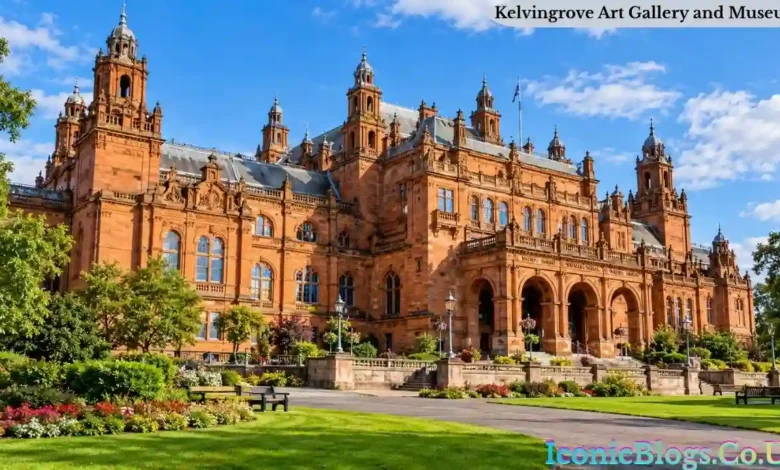
Few landmarks capture the spirit of Glasgow quite like Kelvingrove Art Gallery and Museum. Set against a backdrop of red sandstone splendor and surrounded by green parkland, this beloved institution has been welcoming visitors for well over a century. Whether someone is drawn in by fine art, natural history, or simply the promise of a great day out, Kelvingrove consistently ranks among Scotland’s most cherished attractions — and it doesn’t cost a penny to walk through the doors.
This guide walks through the history, layout, must-see exhibits, and practical details anyone planning a visit will want to know.
The History of Kelvingrove Art Gallery and Museum
Kelvingrove’s story begins with the 1888 International Exhibition, whose proceeds helped fund the museum’s construction. Designed by Sir John W. Simpson and E.J. Milner Allen, the building first opened its doors in 1901 as the Palace of Fine Arts for that year’s Glasgow International Exhibition.
Glasgow locals have long enjoyed a playful bit of folklore about the building: legend has it that the architect accidentally designed the museum back to front, and upon discovering the error, threw himself from one of its towers in despair. It’s a dramatic tale, but purely myth — the grand entrance was always intended to face into Kelvingrove Park, not the street.
More than a century after its original opening, kelvingrove art gallery and museum Glasgow underwent a major transformation. Between 2003 and 2006, the building closed for a three-year, £27 million refurbishment. When it reopened in July 2006, the collections had been reorganized into two distinct halves — Life and Expression — a layout that still defines the visitor experience today.
Where to Find It: Location and Setting
Kelvingrove sits proudly within Kelvingrove Park, an 84-acre green space created back in 1852 as a recreational haven for city residents. The museum itself is located on kelvingrove art gallery and museum argyle street Glasgow, in the heart of the city’s West End, making it easy to combine a museum visit with a wider exploration of the surrounding neighborhood, including the University of Glasgow and the trendy shops and cafes nearby.
The building’s late-Victorian architecture — with its turrets, carved stonework, and grand archways — is worth admiring from the outside before you even step in. It’s the kind of structure that photographs beautifully, and it’s no surprise that kelvingrove art gallery and museum photos are a common sight across travel blogs and social media feeds.
Inside the Museum: The Life and Expression Galleries
Since the 2006 reopening, Kelvingrove’s collections have been organized into two complementary halves, spread across 22 galleries that together display more than 8,000 objects.
The Life Galleries
The Life side of the museum focuses on natural history, human history, and prehistory. Visitors can wander through displays dedicated to Scotland’s first inhabitants, the country’s native wildlife, and prehistoric creatures. There’s also a striking Ancient Egypt exhibit filled with genuine artifacts, and even a Spitfire fighter plane suspended overhead — a nod to the aircraft’s pivotal role during the Second World War.
The Expression Galleries
On the other side, the Expression galleries house Kelvingrove’s remarkable fine art collection. This is where the museum’s reputation as one of Europe’s great civic art collections truly shines, spanning Scottish, European, African, Asian, and Oceanic art in both fine and decorative forms.
Must-See Exhibits and Highlights
No visit is complete without seeking out a handful of signature pieces:
- Salvador Dalí’s Christ of St John of the Cross — arguably the museum’s most famous painting and a genuine draw for art lovers worldwide.
- Sir Roger the Asian elephant — a beloved taxidermy centerpiece and a favorite for family visits.
- The Avant armour and wider arms collection — one of the finest displays of medieval arms and armor anywhere in the world.
- Scottish art — including celebrated works by the Glasgow Boys, the Scottish Colourists, and Charles Rennie Mackintosh.
- European masters — paintings by Rembrandt, Titian, Monet, Renoir, and Gauguin round out an already impressive collection.
Given the sheer scope of what’s on display, it’s easy to see why so many visitors leave glowing kelvingrove art gallery and museum reviews, often praising the mix of world-class art alongside genuinely engaging natural history exhibits.
Planning a Visit: What to Know Before You Go
Tickets and Entry
One of the most appealing things about Kelvingrove is that general admission is completely free. There’s no need to search for Kelvingrove Art Gallery and Museum tickets for standard entry — visitors can simply walk in. That said, special or touring exhibitions occasionally carry a separate charge, so it’s worth checking ahead if a particular showcase interests you.
Opening Times and Hours
The museum’s Kelvingrove Art Gallery and Museum opening times can vary slightly depending on the season and public holidays, so it’s always a good idea to check the latest Kelvingrove Art Gallery and Museum hours on the official Kelvingrove Art Gallery and Museum website before setting off, particularly if planning to visit on a weekend or during a school holiday period.
Getting There and Parking
Kelvingrove is easily reached from Glasgow city centre by train, bus, or subway, with Kelvinhall subway station just a short walk away. Drivers can park nearby at Kelvingrove Art Gallery and Museum, including on-street options around Kelvingrove Park, though spaces can fill quickly during busy periods, so arriving early is generally recommended.
Tours and Special Events
Beyond the permanent galleries, Kelvingrove regularly hosts organ recitals and offers free guided tours on weekends, adding extra value for repeat visitors or anyone who wants more context on the collections.
Why Kelvingrove Is Worth Visiting
Few museums manage to balance world-class art with genuinely engaging natural history displays the way Kelvingrove does. It’s a place where families can spend an afternoon marveling at a Spitfire and an elephant, while art enthusiasts linger in front of a Dalí masterpiece just a few galleries away. Add in free admission, a stunning building, and a picturesque park setting, and it’s easy to understand why Kelvingrove remains one of the most visited museums in the UK outside London.
Final Thoughts
Kelvingrove Art Gallery and Museum offers something for nearly every type of visitor — history buffs, art lovers, families, and casual tourists alike. With its rich collections, striking architecture, and welcoming free-entry policy, it’s little wonder this Glasgow institution continues to draw crowds more than a century after it first opened its doors.
Also Read: Abradore Meaning, Labrador Traits, History, Care and Ownership Guide