

EasyJet Flight U2238 Emergency Landing Newcastle: Full Story Explained
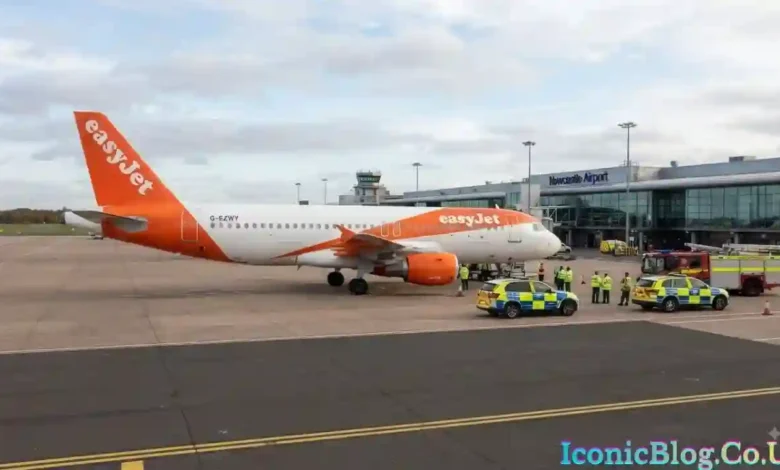
Air travel rarely makes headlines when everything goes according to plan — but every so often, a routine flight takes an unexpected turn. That’s exactly what happened on a Copenhagen to Manchester service in late October, when a mid-air medical emergency forced the crew to divert and led to widespread online searches for the easyjet flight u2238 emergency landing newcastle incident. While the story spread quickly across social media and aviation-tracking communities, much of what circulated online blurred a few important details. This article lays out what actually happened, clears up some of the confusion around flight numbers, and explains why the diversion unfolded the way it did.
What Happened During the Flight
The aircraft, an Airbus A320 carrying passengers from Copenhagen to Manchester, left Danish airspace a little later than scheduled, departing at around 10:13 PM local time. Everything appeared normal for the first stretch of the journey. Passengers settled in, cabin crew began their usual service, and the flight climbed to its cruising altitude over the North Sea.
Not long after reaching cruising height, cabin crew noticed that one passenger had become seriously unwell. They alerted the flight deck immediately, and the pilots made the call to treat the situation as a priority. The crew selected squawk code 7700 — the internationally recognised signal used to alert air traffic control that a flight needs urgent attention — and requested priority handling as they assessed the best course of action.
Why the Aircraft Diverted to Newcastle
Rather than continuing on to Manchester, the flight crew decided that landing sooner would give the unwell passenger the fastest possible access to medical care. Newcastle International Airport was the nearest suitable option at the time, and the captain made the decision to divert there instead of pressing on to the original destination.
This kind of decision isn’t taken lightly. Pilots weigh several factors before choosing where to land, including the passenger’s condition, the aircraft’s position at the time, weather conditions, and which nearby airports are equipped to handle medical emergencies quickly. Newcastle ticked those boxes, and air traffic controllers cleared the way for the aircraft to land without delay.
The Landing and Emergency Response
The aircraft touched down safely at Newcastle shortly before 11:00 PM local time. Ground teams, including paramedics and airport emergency services, were already in position by the time the plane arrived, having been alerted in advance so they could respond the moment the aircraft stopped.
Once on the ground, medical personnel boarded quickly to assess and assist the passenger who had fallen ill. Passengers on board were asked to remain seated briefly while the situation was managed, and there were no reports of injuries to anyone else on the flight. The easyjet emergency landing newcastle situation was, by all accounts, handled calmly and efficiently by everyone involved.
What Passengers Experienced Onboard
For the people on board, the sudden shift from a normal flight to an emergency diversion was understandably unsettling at first. Several passengers later described a mix of concern and uncertainty as the situation developed, particularly once the crew announced the change of plans.
That said, many also credited the cabin crew for keeping things calm. Regular updates, clear communication, and a composed demeanour from staff appeared to make a real difference in how passengers experienced the event. Crew members provided first aid and oxygen to the unwell passenger while simultaneously reassuring everyone else that the situation was under control — a balancing act that isn’t easy to pull off under pressure.
Continuing the Journey to Manchester
Once the passenger requiring assistance had been handed over to medical teams on the ground, the aircraft was refuelled and prepared to continue its journey. Around an hour after landing in Newcastle, the flight departed again and completed the remaining leg to Manchester, reaching its original destination later that night.
For most passengers, this meant a longer journey than expected, but the delay was a small price to pay given the circumstances. The easyjet copenhagen manchester flight diversion ultimately achieved its purpose: getting urgent help to the person who needed it without unnecessary risk to anyone else on board.
EasyJet’s Official Response
Following the incident, EasyJet issued a statement confirming that the diversion was the result of a medical situation involving a customer on board, and that the aircraft landed safely in Newcastle as a precaution. The airline thanked the flight crew for their quick thinking and professionalism, reiterating that passenger safety and wellbeing remain the top priority in situations like this.
Airport staff and local emergency services in Newcastle were also acknowledged for their fast, coordinated response, which helped ensure the passenger received care as quickly as possible.
Clearing Up the Flight Number Confusion
One detail that caused a fair bit of confusion online involves the exact flight number. While many articles referred to the incident using the number U2238, the flight that actually diverted was operating under the call sign EZY2238, sometimes also written as flight u22238 emergency declaration in reporting. The two designations are extremely close in appearance, which likely explains why they were mixed up across various news sites and social platforms. Meanwhile, EasyJet’s actual U2238 service — a short domestic route between Newcastle and Bristol — continued operating as normal throughout this period, unrelated to the medical emergency altogether.
It’s a small distinction, but an important one for anyone trying to track down accurate details about what really happened.
Understanding Emergency Declarations in Aviation
It’s worth pointing out that an “emergency landing” doesn’t necessarily mean something has gone catastrophically wrong with the aircraft. In this case, there was no indication of any mechanical fault, technical issue, or structural problem with the plane itself. The diversion was entirely due to the medical situation onboard.
Declaring an emergency and requesting priority handling is a standard, well-practiced procedure that gives flight crews faster access to air traffic control support and, when needed, ground-based medical teams. It’s a safety measure built into aviation protocol precisely so that situations like this can be handled swiftly and safely — not a sign of imminent danger to the aircraft or its passengers.
A Reflection of Strong Safety Training
Incidents like this tend to highlight just how much preparation goes into aviation safety behind the scenes. From the cabin crew’s quick recognition of the medical issue to the pilots’ calm decision-making and the coordinated ground response at Newcastle, every part of the process reflects the training crews go through regularly, so they’re ready for unexpected situations.
While no one wants a flight to be interrupted, the way this particular incident was handled is a good example of aviation safety systems working exactly as intended.
Final Thoughts
The easyjet flight u2238 emergency landing newcastle story, once the details are untangled, comes down to a straightforward and reassuring outcome: a passenger became unwell mid-flight, the crew acted quickly and appropriately, and everyone on board arrived safely at their intended destinations — just a little later than planned. It’s a reminder that emergency procedures exist for exactly this kind of situation, and that when they’re followed properly, they do their job well.
Also Read: Aubrey Horne Obituary Dunn NC: Remembering the Life and Legacy of a Beloved Community Member