

Stir Fry Noodles: Easy, Delicious and Ready in Just 20 Minutes
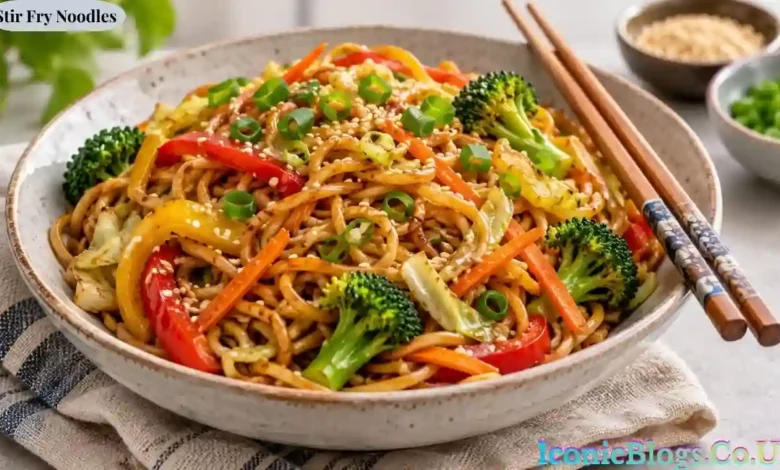
Stir fry noodles are a quick and delicious dish made by tossing cooked noodles, fresh vegetables and optional protein in a savoury sauce over high heat. Ready in approximately 20 minutes, this Asian-inspired meal is perfect for busy weeknights, family dinners and satisfying lunches.
The combination of tender noodles, crunchy vegetables, fragrant garlic and a rich homemade sauce makes every bite enjoyable. Whether you prefer chicken, beef, prawns or a completely vegetarian version, you can easily customise this dish using ingredients already in your kitchen.
Best of all, you don’t need expensive equipment or advanced cooking skills to make a satisfying noodle stir fry at home.
What Are Stir Fry Noodles?
Stir fry noodles are a versatile dish inspired by Asian cooking traditions. The preparation involves quickly cooking ingredients in a hot wok or frying pan while continuously stirring to distribute heat and flavour.
Different Asian cuisines have their own versions of fried noodles, including Chinese chow mein, Japanese yakisoba and Indonesian mie goreng.
Although ingredients and seasonings vary, most versions combine noodles, vegetables, aromatics, cooking oil and a flavourful sauce.
Unlike noodle soups, stir-fried noodles are served with relatively little liquid, allowing the sauce to coat the ingredients rather than create a broth.
Why You Will Love This Stir Fry Noodles Recipe
Homemade noodles are an excellent choice when you want something comforting without spending hours in the kitchen.
Here are some reasons to try this recipe:
- Ready in approximately 20 minutes.
- Uses affordable, everyday ingredients.
- Easily adapted for vegetarian and vegan diets.
- Works with different vegetables and proteins.
- Helps use up leftover ingredients.
- Allows you to control the salt, oil and spice levels.
- Makes a satisfying alternative to takeaway meals.
The recipe is particularly useful for households where everyone enjoys slightly different flavours.
Ingredients for Homemade Stir Fry Noodles
This recipe serves approximately four people. You can adjust the vegetables and seasonings according to your preferences.
Noodles and Vegetables
- 300g dried egg noodles or wheat noodles
- 2 tablespoons vegetable oil
- 1 medium carrot, thinly sliced
- 1 red bell pepper, sliced
- 150g shredded cabbage
- 100g broccoli florets
- 3 spring onions, chopped
- 3 garlic cloves, minced
- 1 teaspoon grated fresh ginger
- Sesame seeds for garnishing
Ingredients for Stir Fry Noodles Sauce
- 3 tablespoons light soy sauce
- 1 tablespoon dark soy sauce
- 2 tablespoons oyster sauce
- 1 tablespoon sesame oil
- 1 tablespoon rice vinegar
- 2 teaspoons brown sugar
- 3 tablespoons water
- ½ teaspoon chilli flakes (optional)
For vegetarian noodles, replace oyster sauce with a mushroom-based vegetarian stir fry sauce. Check the noodle packaging if you want to make the dish completely vegan.
Optional Protein Ingredients
You can add chicken breast, sliced beef, prawns, firm tofu, salmon or eggs to make the meal more substantial.
For this recipe, approximately 250–300g of your chosen protein is a reasonable starting point.
What Are the Best Noodles for Stir Fry?
Choosing the right noodles can make a noticeable difference to the texture of your finished dish. Some varieties absorb sauces particularly well, while others offer a firmer, chewier bite.
| Noodle Type | Texture | Best For |
|---|---|---|
| Egg noodles | Soft and slightly chewy | Chinese-style stir fries |
| Rice noodles | Light and delicate | Vegetable and prawn dishes |
| Udon noodles | Thick and chewy | Beef and chicken recipes |
| Ramen noodles | Springy and thin | Spicy noodle dishes |
| Soba noodles | Slightly firm and nutty | Tofu and vegetable recipes |
| Wholewheat noodles | Firm and hearty | Higher-fibre meals |
Egg noodles are an excellent all-purpose option for beginners. However, rice noodles work well for lighter dishes, while thick udon noodles are particularly satisfying with rich, savoury sauces.
How to Make Stir Fry Noodles Step by Step
Making a delicious noodle stir fry is straightforward once you understand the correct cooking order.
Step 1: Prepare Your Ingredients
Wash and slice all vegetables before turning on the hob. Chop the garlic, grate the ginger and prepare any additional protein.
Stir-frying happens quickly, so having everything ready helps prevent burning and uneven cooking.
Step 2: Cook the Noodles
Bring a large saucepan of water to the boil and cook the noodles according to their packaging instructions.
Aim for a slightly firm texture because the noodles will continue cooking when added to the wok. Drain them thoroughly and set them aside.
Ready-to-wok noodles may not require boiling, so always check the packet first.
Step 3: Prepare the Homemade Sauce
Combine the light soy sauce, dark soy sauce, oyster sauce, sesame oil, rice vinegar, brown sugar and water in a small bowl.
Stir until the sugar dissolves. Add chilli flakes if you enjoy a little heat.
Preparing the sauce separately ensures that the flavours are distributed evenly.
Step 4: Cook the Vegetables
Heat vegetable oil in a large wok or frying pan over medium-high to high heat.
Add the carrot and broccoli first, followed by the cabbage and bell pepper. Stir-fry for approximately three to four minutes until the vegetables are tender but still slightly crunchy.
Add the garlic and ginger towards the end to prevent them from burning.
If you are using meat or seafood, cook it separately first or in batches, then return it to the pan once fully cooked.
Step 5: Add the Noodles and Sauce
Transfer the drained noodles to the wok and pour the prepared sauce over them.
Use tongs or a spatula to gently toss everything together. Continue stir-frying for approximately two minutes until the noodles are hot and evenly coated.
If the mixture becomes too dry, add a small splash of water.
Step 6: Garnish and Serve
Remove the wok from the heat and sprinkle the noodles with chopped spring onions and sesame seeds.
Serve immediately while the vegetables remain crisp and the noodles are warm.
How to Cook Different Noodles for Stir Fry
Different noodle varieties require slightly different preparation methods.
How to Cook Rice Noodles for Stir Fry
Depending on their thickness, rice noodles may require soaking in warm water or brief boiling.
Follow the packet instructions and drain them before adding them to the wok. Avoid overcooking, as rice noodles can become sticky and break apart easily.
How to Cook Egg Noodles for Stir Fry
Dried egg noodles generally need several minutes in boiling water. Fresh egg noodles may require considerably less cooking.
Drain them when they are just tender and add them to the stir fry shortly afterwards.
How to Stir Fry Ready-to-Wok Noodles
Ready-to-wok noodles are convenient because many varieties can be added directly to the pan.
Gently separate the noodles according to the packaging instructions, toss them with cooked vegetables and sauce, and heat thoroughly.
8 Delicious Stir Fry Noodles Variations
One of the best things about this dish is its versatility. Changing the protein, vegetables or sauce can create an entirely different meal without requiring a new cooking method.
1. Chicken Stir Fry Noodles
Chicken stir fry noodles are perfect for a filling family dinner. Thinly slice chicken breast and season it with soy sauce, garlic and black pepper.
Cook the chicken until it reaches an internal temperature of 74°C (165°F), then combine it with the vegetables, noodles and homemade sauce.
2. Vegetable Stir Fry Noodles
Vegetable stir fry noodles are colourful, affordable and packed with different textures.
Use broccoli, mushrooms, carrots, cabbage, peppers and sugar snap peas. Replace traditional oyster sauce with a vegetarian alternative for a meat-free meal.
3. Beef Stir Fry Noodles
Thinly sliced rump steak or sirloin works particularly well in this recipe.
Slice the beef against the grain for a more tender texture. Cook it quickly in a hot pan before combining it with the remaining ingredients.
A little extra ginger and dark soy sauce can complement the richness of the beef.
4. Prawn Stir Fry Noodles
Prawn stir fry noodles offer a lighter seafood alternative with a naturally sweet flavour.
Cook raw prawns until they become firm, pearly and opaque throughout. Add them to the noodles with vegetables, garlic and a squeeze of fresh lime juice.
5. Salmon Stir Fry Noodles
Salmon brings protein, omega-3 fatty acids and a rich flavour to this dish.
Cook bite-sized pieces of salmon separately until they reach an internal temperature of 63°C (145°F). Gently fold them into the finished noodles to prevent the fish from breaking apart.
6. Tofu Stir Fry Noodles
Firm tofu is an excellent plant-based protein for homemade noodles.
Press the tofu to remove excess moisture, cut it into cubes and fry until golden. Toss it with vegetables, noodles and vegetarian stir fry sauce.
7. Spicy Stir Fry Noodles
If you enjoy bold flavours, add chilli oil, fresh red chillies, sriracha or chilli garlic sauce to your noodles.
Start with a small amount and gradually increase the heat according to your preference. A little brown sugar can help balance the spiciness.
8. Chinese Stir Fry Noodles
For a Chinese-style stir fry noodles recipe, use egg noodles, bean sprouts, cabbage, spring onions, light soy sauce and oyster sauce.
Cook everything quickly over high heat to develop a rich, savoury flavour while maintaining the texture of the vegetables.
Koka and Aldi Stir Fry Noodles: Are They Worth Using?
Supermarket noodles can be a convenient alternative when you have limited time to prepare dinner.
Koka Stir Fry Noodles
Koka instant noodles can be used as a quick base for homemade noodle dishes. Koka spicy stir fry noodles may appeal to people who prefer stronger chilli flavours.
Adding fresh vegetables, cooked chicken or tofu can make instant noodles more substantial. You can also use less of the supplied seasoning if you want to reduce the salt content.
Aldi Stir Fry Noodles
Ready-to-wok noodles from Aldi can be a convenient option for busy households. Depending on the product, they may require little or no preparation before cooking.
Check the packaging for cooking instructions, ingredients, allergens and nutritional information, as product ranges and formulations can change.
Homemade sauce is particularly useful when you want greater control over the flavour of supermarket noodles.
Expert Tips for Making Perfect Stir Fry Noodles
A few simple cooking techniques can help you achieve better results at home.
- Use a large wok: Give the ingredients enough space to cook evenly.
- Prepare everything beforehand: Stir-frying is a fast cooking process.
- Drain the noodles properly: Excess water can dilute the sauce.
- Avoid overcrowding: Cook larger quantities in separate batches.
- Use high heat: This helps vegetables retain their texture.
- Choose suitable cooking oil: Vegetable, rapeseed and groundnut oils are useful options.
- Add the sauce near the end: This helps prevent the ingredients from becoming soggy.
- Serve immediately: Freshly cooked noodles generally have the best texture.
If your noodles seem dry, add a tablespoon of water rather than pouring in excessive oil or soy sauce.
Common Mistakes to Avoid
Overcooking the Noodles
Overcooked noodles can become soft, sticky and difficult to toss. Remove them from the boiling water when they are just tender.
Using Too Much Sauce
Excessive sauce can overpower the other ingredients and leave liquid at the bottom of the pan.
The aim is to lightly coat the noodles rather than soak them.
Cooking Everything at Once
Different ingredients require different cooking times. Meat, seafood and firm vegetables generally need more attention than leafy vegetables and spring onions.
Using a Cold Frying Pan
Adding ingredients before the pan is sufficiently hot can cause vegetables to release moisture rather than fry properly.
Burning the Garlic
Garlic cooks quickly and can develop a bitter flavour when burned. Add it shortly before the noodles and sauce.
Are Stir Fry Noodles Healthy?
Stir fry noodles can form part of a healthy, balanced diet when prepared with suitable ingredients and reasonable portion sizes.
Noodles provide carbohydrates for energy, while vegetables contribute fibre, vitamins and minerals. Adding chicken, tofu, prawns or other protein sources can help create a more balanced meal.
However, the nutritional value depends on the ingredients, cooking method and serving size. Some takeaway and instant noodle dishes may contain substantial amounts of sodium, oil and calories.
How to Make Healthier Stir Fry Noodles
Use reduced-salt soy sauce, increase the quantity of vegetables and choose lean protein sources. Wholewheat noodles can also provide additional dietary fibre.
Instead of relying heavily on oil and salt, build flavour with ginger, garlic, lime juice, chilli and fresh herbs.
Vegetarian stir fry noodles can be equally satisfying, particularly when combined with tofu or edamame for additional protein.
Nutritional Information
The following nutritional values are broad estimates for one serving of the basic vegetable noodle recipe, without additional protein.
| Nutrient | Approximate Amount Per Serving |
|---|---|
| Calories | 400–450 kcal |
| Carbohydrates | 60–70g |
| Protein | 12–15g |
| Fat | 11–15g |
| Fibre | 4–7g |
| Sodium | Varies significantly by sauce |
Actual nutritional values depend on the noodle brand, sauce ingredients and portion size. These figures are estimates rather than laboratory-tested nutritional measurements.
What to Serve with Stir Fry Noodles
Although stir-fried noodles can be enjoyed as a complete meal, several side dishes complement their savoury flavours.
Popular choices include vegetable spring rolls, steamed dumplings, crispy tofu, Asian cucumber salad, steamed edamame and hot and sour soup.
For a lighter dinner, serve your noodles with steamed vegetables or a fresh cucumber salad dressed with rice vinegar and sesame oil.
How to Store and Reheat Stir Fry Noodles
Leftover noodles can make a convenient lunch the following day when stored correctly.
How to Store Leftover Noodles
Transfer the noodles to a clean, airtight container and refrigerate them within two hours of cooking.
Keep refrigerated at 5°C or below and preferably consume within 48 hours, following UK food safety guidance.
Avoid leaving cooked noodles at room temperature for extended periods.
Can You Freeze Stir Fry Noodles?
Yes, you can freeze stir fry noodles, although their texture may change after defrosting.
Allow the dish to cool quickly, divide it into individual portions and transfer it to freezer-safe containers. For best quality, aim to consume frozen noodles within two months.
Egg noodles and thicker wheat noodles may retain their texture better than delicate rice noodles.
How to Reheat Stir Fry Noodles
Reheat the noodles in a frying pan over medium heat with a small splash of water. Stir regularly until they are steaming hot throughout.
Alternatively, use a microwave-safe container and stir halfway through heating to ensure even warming.
Defrost frozen leftovers in the refrigerator and avoid reheating the same portion more than once.
Easy Homemade Stir Fry Noodles Recipe Card
Homemade Stir Fry Noodles
A quick Asian-inspired noodle dish featuring colourful vegetables, fragrant garlic and a rich, savoury homemade sauce.
Prep time
10 minutes
Cook time
10 minutes
Total time
20 minutes
Servings
4 people
Difficulty
Easy
Calories
400–450 kcal
Ingredients300g dried egg noodles2 tbsp vegetable oil1 carrot, sliced1 red bell pepper150g cabbage100g broccoli3 spring onions3 garlic cloves1 tsp grated ginger3 tbsp light soy sauce1 tbsp dark soy sauce2 tbsp oyster sauce1 tbsp sesame oil1 tbsp rice vinegar2 tsp brown sugar3 tbsp waterChilli flakes and sesame seeds (optional)
Instructions
- Cook the noodles according to the packet instructions and drain thoroughly.
- Mix the soy sauces, oyster sauce, sesame oil, vinegar, sugar and water.
- Heat vegetable oil in a large wok.
- Stir-fry the vegetables for three to four minutes.
- Add garlic and ginger.
- Toss in the noodles and prepared sauce.
- Cook for another two minutes until heated throughout.
- Garnish with spring onions and sesame seeds.Course: Main course · Cuisine: Asian-inspired · Cooking method: Stir-fryingCooking times are approximate. Additional meat or seafood may require extra preparation and cooking time.
Frequently Asked Questions
How do you make stir fry noodles at home?
Cook your preferred noodles, stir-fry fresh vegetables in a hot wok and combine everything with a homemade sauce made from soy sauce, garlic, sesame oil and other seasonings.
Do you boil noodles before stir-frying?
Most dried noodles require boiling or soaking before stir-frying. However, some fresh and ready-to-wok noodles can be added directly to the pan.
What sauce is best for stir fry noodles?
A combination of light soy sauce, oyster sauce, sesame oil, rice vinegar and a little brown sugar creates a balanced savoury sauce.
Can you freeze stir fry with noodles and vegetables?
Yes, cooked noodles and vegetables can be frozen together. Store them in airtight containers and defrost them safely in the refrigerator before reheating.
What is the difference between chow mein and stir fry noodles?
Chow mein is a Chinese fried noodle dish, while stir fry noodles is a broader term covering many noodle dishes prepared using a stir-frying technique.
How do you stop stir fry noodles from sticking together?
Avoid overcooking the noodles, drain them properly and add them to the wok shortly after cooking. A small amount of oil may also help separate them.
Can I use spaghetti instead of Asian noodles?
Yes, cooked spaghetti can be used as an alternative when Asian noodles are unavailable. However, the texture and flavour will differ from traditional noodle varieties.
Can I make vegetarian stir fry noodles without oyster sauce?
Absolutely. Mushroom-based vegetarian oyster sauce, soy sauce or a suitable vegetable stir fry sauce can replace traditional oyster sauce.
Are stir fry noodles good for weight loss?
They can fit into a weight-management diet when prepared with plenty of vegetables, moderate noodle portions, lean protein and limited oil. Overall calorie intake and dietary balance remain important.
How do you make stir fry noodles taste like Chinese takeaway?
Use a hot wok, egg noodles, garlic, ginger, light and dark soy sauce, and oyster sauce. Avoid overcrowding the pan and cook the ingredients quickly.
Can I make stir fry noodles without soy sauce?
Yes. Coconut aminos or other suitable soy-free seasonings can provide an alternative. Check ingredient labels carefully if you have a soy allergy.
What vegetables go best with stir fry noodles?
Carrots, cabbage, broccoli, mushrooms, bell peppers, bean sprouts, pak choi and spring onions are all excellent choices.
Final Thoughts
Stir fry noodles are one of the easiest and most versatile meals you can prepare at home. With a handful of fresh vegetables, your favourite noodles and a simple homemade sauce, you can create a satisfying dinner without spending hours in the kitchen.
Whether you enjoy spicy noodles, chicken stir fry, tender beef, prawns or a vegetarian combination, there are plenty of ways to adapt this recipe to your taste and dietary preferences.
Also Read: Steak Pie Recipe: How to Make the Perfect Traditional British Steak Pie